
DNA Sexing
When Is It Useful To Use DNA Sexing For Your Chickens.
Accurate Chick Sexing for Better
Flock Planning
When raising chickens like Rhode Island Reds, Plymouth Rocks,
Australorps, Orpingtons, Wyandottes, Marans, Brahmas, and Silkies,
determining the sex of day-old chicks can be tricky and inaccurate. The
fluffy, solid-colored chicks lack the distinctive sexual dimorphism seen
in other breeds. But our DNA sexing service uses a simple lab test to
accurately identify cockerels from pullets.
Knowing the sex of
your chicks from hatching provides huge benefits for planning
and managing your flock. By determining the sex through our DNA
analysis, you can:
- Plan housing
needs accurately - Separate cockerels from
pullets into the proper brooding areas and calculate coop space
requirements for growth. No more guessing!
- Choose the
best birds for breeding - Identify and select
the top pullets and cockerels for your breeding program early.
- Avoid
over-crowding issues - Cull excess males
humanely before they mature and cause injuries through aggressive
behavior.
- Maximize feed
efficiency - Tailor feed for optimal growth and
health, without wasting resources on the wrong sex.
- Sell chicks
confidently - Customers will appreciate sexed
chicks so they know what to expect as the birds mature.
Our DNA sexing is fast, reliable, and affordable. We use PCR analysis to
identify the W chromosome present only in females. Results are over 99%
accurate.
Simply send us your samples and we'll send back the certified sex
analysis document identifying males and females within 2-4 business
days.
Know your flock from the start for better planning and performance.
Contact us today to sex your chicks through our DNA testing
services!
Blue Egg Gene Test
Why would you want to do a Blue Egg Gene Test?
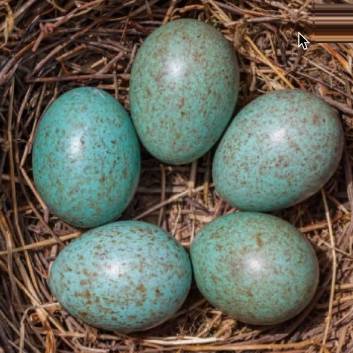
A blue egg gene
test in chickens is typically done for breeding purposes and to predict
the egg color that a chicken will lay. Chickens lay eggs in a variety of
colors, including white, brown, and blue. The blue egg color is
determined by a specific gene known as the "Oocyan" gene. This gene
causes the chicken's body to secrete a blue pigment called oocyanin onto
the eggshell as it is being formed.
Here are a few reasons why someone might want to do a blue egg gene test
in chickens:
The test can help predict the color of eggs a chicken will lay before it starts laying eggs. This can be particularly useful for breeders who are selling chickens based on the color of eggs they produce.
The blue egg gene test can also be used for genetic research purposes. It can help researchers understand the genetics of egg color and how genes are passed from one generation to the next.
Some rare breeds of chickens, like the Araucana, are known for laying blue eggs. Testing for the blue egg gene can help in efforts to preserve and propagate these rare breeds.
Blue eggs are often more appealing to consumers due to their unique color, so commercial poultry farmers might want to breed chickens that lay blue eggs to increase their market appeal.
In conclusion, a blue egg gene test in chickens is a valuable tool for breeders, researchers, and commercial farmers alike. It allows for more informed breeding decisions, contributes to genetic research, aids in the preservation of rare breeds, and can potentially enhance market appeal.
Lavender Test
Why would you want to run a Lavender Test
Here are a few reasons why a
chicken breeder might want to do a lavender test:
- To identify
lavender chickens in their flock. The
lavender gene causes chickens to have a distinctive lavender or
self-blue coloration. Doing a test can help the breeder identify
which birds carry this gene.
- To breed
lavender chickens. If a breeder is
intentionally trying to produce lavender colored birds, testing
can help them select breeding stock that will pass on the
lavender gene.
- To avoid
breeding lavenders. Some breeders may want to
avoid producing lavender chickens, either because the color is
undesirable or to maintain breed standards. Testing helps
identify which birds should not be bred together.
- To track
inheritance. The lavender color is
recessive, so a bird can carry the gene without displaying the
phenotype. Testing allows the breeder to track which birds are
carriers even if they aren't visibly lavender
themselves.
- For genetic
diversity. Lavender is a relatively
new mutation in chickens. Breeding lavenders can increase
genetic diversity by introducing a new trait into a flock's gene
pool. Testing helps enable this.
So in summary, lavender testing allows breeders to intentionally
produce, avoid, or track inheritance of the lavender color in
their flocks according to their breeding goals. The ability to
identify carriers is especially useful for managing recessive
traits like lavender plumage.
Recessive White Gene Test
Why would you want to do a Recessive White Gene Test?
Here are a few reasons why someone might do
a recessive white gene test in chickens:
- To identify carriers of the
recessive white gene. This gene prevents the
deposition of melanin, resulting in pure white plumage. Breeders may
want to identify which birds carry this gene so they can breed for more
white chickens.
- To avoid mating two carriers
together. If two chickens who carry the
recessive white gene are mated, 25% of their offspring will be
completely white and lack pigmentation. Breeders may want to avoid this
to reduce health issues associated with complete lack of pigment.
- For breeding programs focused on
producing white chickens. Testing can help
identify the best parent stock for producing white chicks
efficiently.
- To understand genetics and
inheritance. Testing for specific genes like the
recessive white allows breeders and geneticists to better understand how
traits are passed on in chickens.
- For research
purposes. Scientists may study the effects of
the recessive white gene and how it inhibits melanin
production.
So in summary, recessive white testing allows for more control and
efficiency in breeding for white plumage, while also serving to further
scientific understanding of genetics. For chicken breeders focused on
color, it's a useful tool.
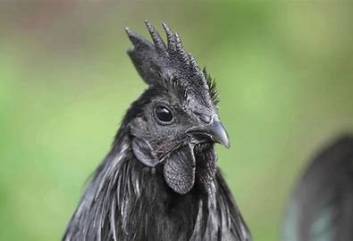
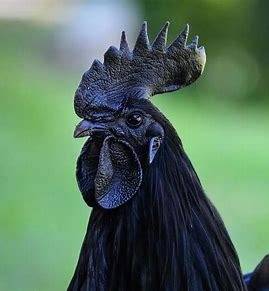
Ayam Cemani & Silkie Fibromelanosis (FM / EDN3) DNA Test
Why would you want to do a Fibromelanosis (FM) Test?
Testing for fibromelanosis in
chickens is useful for several reasons:
1. Breed Identification and Preservation:
Fibromelanosis is a key trait in certain chicken breeds, such as the
Silkie, Svarthöna, and Ayam Cemani. Testing helps confirm the
presence of this trait, ensuring the purity of the breed and
assisting in preservation efforts for these unique genetic
lines.
2. Selective Breeding Programs: Understanding which
chickens carry the genes for fibromelanosis allows breeders to
selectively breed birds that either express or do not express the
trait, depending on their breeding goals. This can be important for
producing chickens with specific desired characteristics.
3. Genetic Research: Studying fibromelanosis can
provide insights into the genetic mechanisms behind pigmentation and
other related traits. This research can contribute to a broader
understanding of genetics, which could have applications in other
areas of animal science and even medicine.
4. Health Monitoring: While fibromelanosis itself
is a cosmetic trait, testing can sometimes be part of broader
genetic screening programs that monitor the overall health and
genetic diversity of chicken populations. This can help in
identifying any potential genetic issues that might be linked to the
trait.
5. Conservation of Genetic Diversity: By
identifying and understanding the genetic basis of fibromelanosis,
efforts can be made to conserve this unique trait and the genetic
diversity it represents within the chicken population. This is
important for maintaining a wide range of genetic resources in
agriculture.
